
Smoke damage cleanup in Wichita, KS
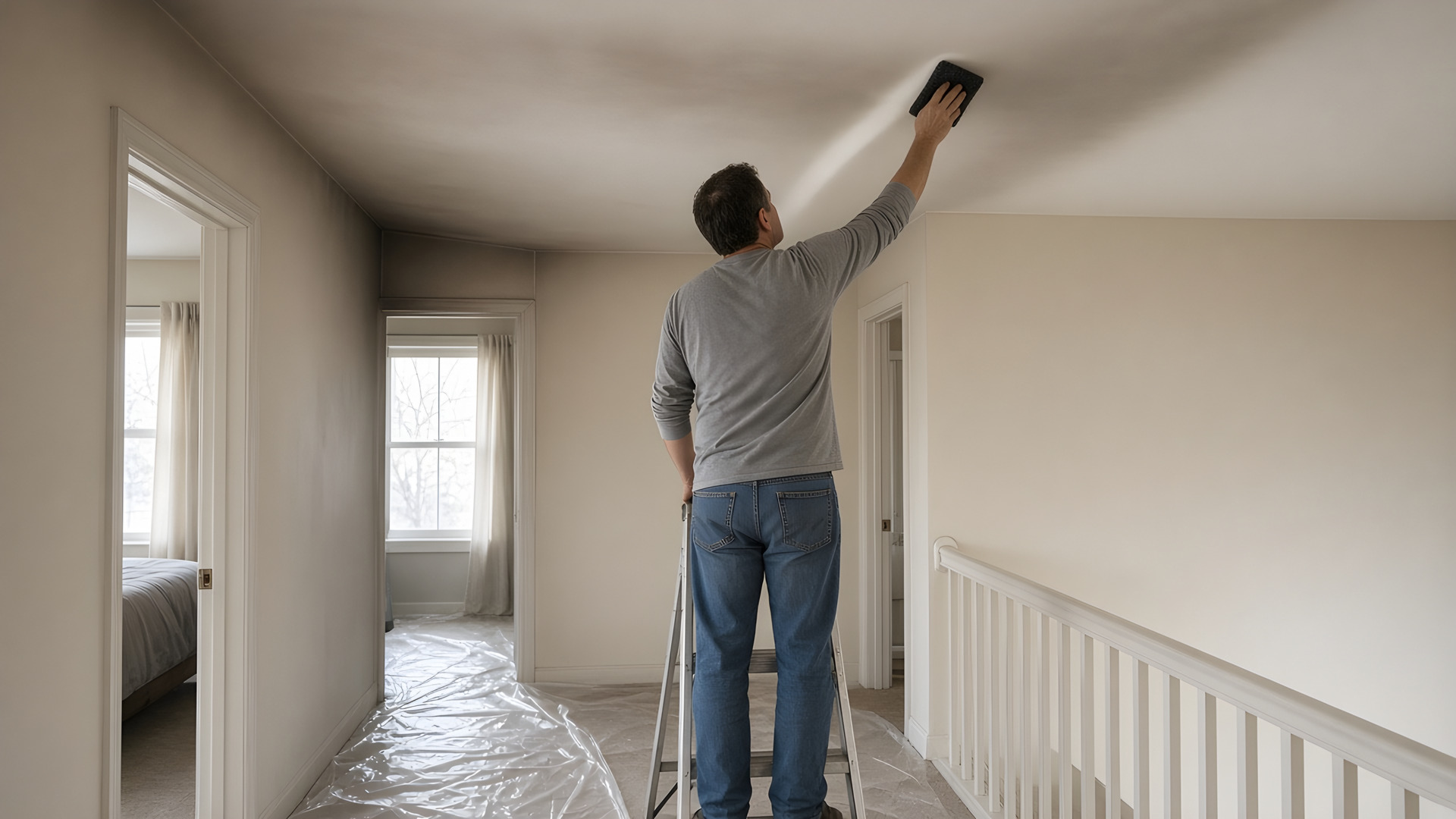
Smoke-film cleaning within Fire Damage Restoration in Wichita, KS concerns the surfaces that look dulled, grayed or yellowed after smoke has passed. A ceiling, a cabinet finish and a window can carry different deposits in the same room. The proposed method should follow the residue and the material rather than treat every surface as interchangeable.
Read the film, not just the color
Smoke can leave a faint deposit on a light ceiling or a more obvious layer around a vent. Color alone does not identify the cleaning method. The residue may be loose, oily or mixed, and the finish beneath it may react differently to handling. The walk-through records the surface and the deposit together so the cleaning proposal has a reason behind it.
Some signs appear in side light rather than straight on. Trim may look dull where a picture protected the wall behind it, or cabinet fronts may show a pale film without a strong dark stain. Those are useful observations to describe on the phone. They do not require you to rub or test a surface before asking about a walk-through.
A smoke-marked surface is not necessarily a burned surface. A hallway beyond the affected kitchen may need cleaning while the kitchen itself needs removal and repair. Keeping those locations distinct helps avoid a scope that uses the heaviest treatment everywhere or overlooks the quieter deposits beyond the damaged room.
Following the room connections
Warm smoke moves along ceilings and through openings between rooms. Stairways can connect a lower room with an upper landing, while the heating system can provide another path if its fan was operating. The examination should follow those connections and then establish where residue actually settled. A possible route is not proof that every space along it needs the same work.
Ceiling corners, the tops of doors, open shelving and the faces of registers can all tell part of the story. So can a cupboard that stayed shut or a room where the smell seems different from the room next to it. The aim is to describe the reach of the film without assuming the most visible stain marks its outer limit.
In a Wichita ranch, the hallway may organize that examination. In a newer open room, there may be no doorway to mark where the kitchen ends. A room-by-room quote can still describe the ceiling and wall areas involved rather than rely on informal room names that mean different things to different people.
Dry removal and the next choice
Loose soot may be lifted with methods intended for dry deposits before a wet cleaning step is considered. That is a description of restoration work, not a household cleaning recipe. Wiping a deposit without understanding the finish can change the stain, so the proposal should explain the intended approach rather than encourage testing it yourself.
Oily or cooking-related films can call for a different cleaning approach from a loose powdery deposit. The selected method needs to suit painted drywall, plaster, finished wood, metal or glass as appropriate. A single room can contain all of those. Describing the surfaces makes the work more intelligible than a general statement that the room will be washed.
Texture matters too. A heavily textured ceiling or grooved paneling gives residue more places to remain than smooth glass. Additional cleaning is not always the right next step if the finish is damaged or a stain remains. Sealing, refinishing or replacement may need discussion, with the reason shown separately in the scope.
The material underneath the stain
A painted finish can be physically intact but still hold a visible mark. Another finish may have been affected by heat or water as well as smoke. Cleaning alone cannot answer both questions. The walk-through should distinguish residue from physical deterioration and identify where patching or replacement is being proposed for a reason beyond the film.
Plaster and wood paneling occur in parts of Wichita's older housing stock, often beside later drywall alterations. A broad statement about old houses would miss that mixture. Each exposed material needs its own cleaning and repair decision, particularly where a previous coating or wall covering changes how the surface responds.
Windows, mirrors and metal fixtures have their own finishes and edges. They may be included in the room-cleaning line, but that should be stated. Fixtures or appliances with internal deposits can require another trade. Surface cleaning of a case does not describe the condition inside it, and the scope should not imply otherwise.
Places outside the central photograph
The supplied hallway photograph shows one stage of ceiling work. It does not show every location worth examining in a house. Closets, cupboard interiors and sheltered edges can retain deposits even when the principal wall looks improved. A quote that mentions these places is easier to understand than one that relies on the appearance of a single open room.
Ducts are another distinct item. Cleaning register faces as part of a room is not the same as examining or cleaning the duct system. If a duct question is relevant, the proposed work should identify it separately and explain what is included. No one should infer a complete system treatment from a photograph of a cleaned vent cover.
Belongings can also interrupt access. A wardrobe against a wall or shelving beneath a stained ceiling may need movement before the surfaces can be reached. That handling should be discussed rather than silently assumed. The same applies to items that require separate cleaning instead of remaining in the room during surface work.
The quote and its stopping points
Cost depends on the reach and character of the film, the surfaces involved and the access needed to work on them. A tall ceiling, built-in shelving or several finish types can change the work even when the room names sound alike. This page does not turn those differences into a numerical menu for a house that has not been examined.
A written quote can list the rooms, surfaces and any separate work on cupboards, registers or contents. It should also distinguish cleaning from sealing and repainting. If the proposal includes a later finish, ask what condition is expected before that finish is applied. The cleaning heading should not hide a replacement decision.
A check of the cleaned surfaces belongs to the work description, but appearance alone does not settle structural or concealed moisture questions. Those questions may sit with another method in the wider plan. The whole-house feature explains how they connect without making smoke-film cleaning responsible for every condition after a fire.
Leave the next trade a clear surface
Where repainting or finish repair is proposed, it should follow the relevant residue and material decisions. A new coat is not a substitute for understanding what remains beneath it. Similarly, replacing one cabinet does not answer a film on the ceiling across the room. The scope should identify those different locations and their relationship.
If repairs change framing or involve remodeling, confirm requirements with the Metropolitan Area Building and Construction Department for Wichita and unincorporated Sedgwick County, or with the city responsible for another property. A surface-cleaning feature cannot establish whether a particular repair needs a permit. The question belongs with the office that handles the proposed work.
When calling Wichita Fire Damage Restoration Pros, describe the rooms and the kinds of surfaces you already know about. Mention where film is visible and whether water or physical damage is also present. That description gives the conversation a useful starting point without asking you to diagnose the residue or choose a cleaner.
Explain what a room-cleaning heading includes
A room name can conceal several separate surfaces. The ceiling, upper walls, trim, window glass and cupboard interiors may all need different descriptions. A useful proposal states which are included and which are outside the task. That level of detail helps a homeowner compare the written work with the conditions discussed during the walk-through.
It is also useful to distinguish access work from cleaning itself. Moving contents, taking down a fitting or opening a construction layer may involve another task or another trade. Those activities should not be silently assumed from a photograph of ceiling work. If access is unresolved, the proposed cleaning line should acknowledge that limit instead of presenting the surface as already examined.
Where a finish remains stained after appropriate cleaning is considered, the next choice belongs in the written discussion. Additional coating, repair or replacement should be explained rather than treated as an automatic continuation of washing. The proposal can then show the homeowner what each choice concerns and where it affects the wider room scope.
Connected Method Features
Learn more about related stages in our restoration guides: The whole-house sequence, and Residue and odor source work.
